A healthy smile is not just about appearance—it reflects your overall health and confidence. Many people visit the dentist only when they experience pain or discomfort, but this approach often leads to costly and complex treatments. Preventive dental care focuses on maintaining oral hygiene and preventing dental problems before they arise.
By adopting simple daily habits and scheduling regular dental check-ups, you can significantly reduce the risk of cavities, gum disease, and other oral health issues. In this blog, we’ll explore the importance of preventive dental care and practical tips to keep your teeth and gums in excellent condition.
What is Preventive Dental Care?
Preventive dental care includes all practices that help maintain oral health and avoid dental problems. It combines at-home oral hygiene routines with professional dental services such as cleanings, exams, and early diagnosis.
The goal is simple: stop dental issues before they start. Preventive care not only protects your teeth but also saves you from expensive treatments and discomfort in the future.
Why Preventive Dental Care is Important
Ignoring oral health can lead to serious complications like tooth decay, gum infections, and even tooth loss. Poor oral hygiene has also been linked to other health conditions such as heart disease and diabetes.
Preventive dental care helps:
- Detect problems early before they become severe
- Maintain strong and healthy teeth
- Reduce dental expenses in the long run
- Improve overall health and well-being
- Boost confidence with a bright smile
Essential Preventive Dental Care Tips
1. Brush Your Teeth Properly
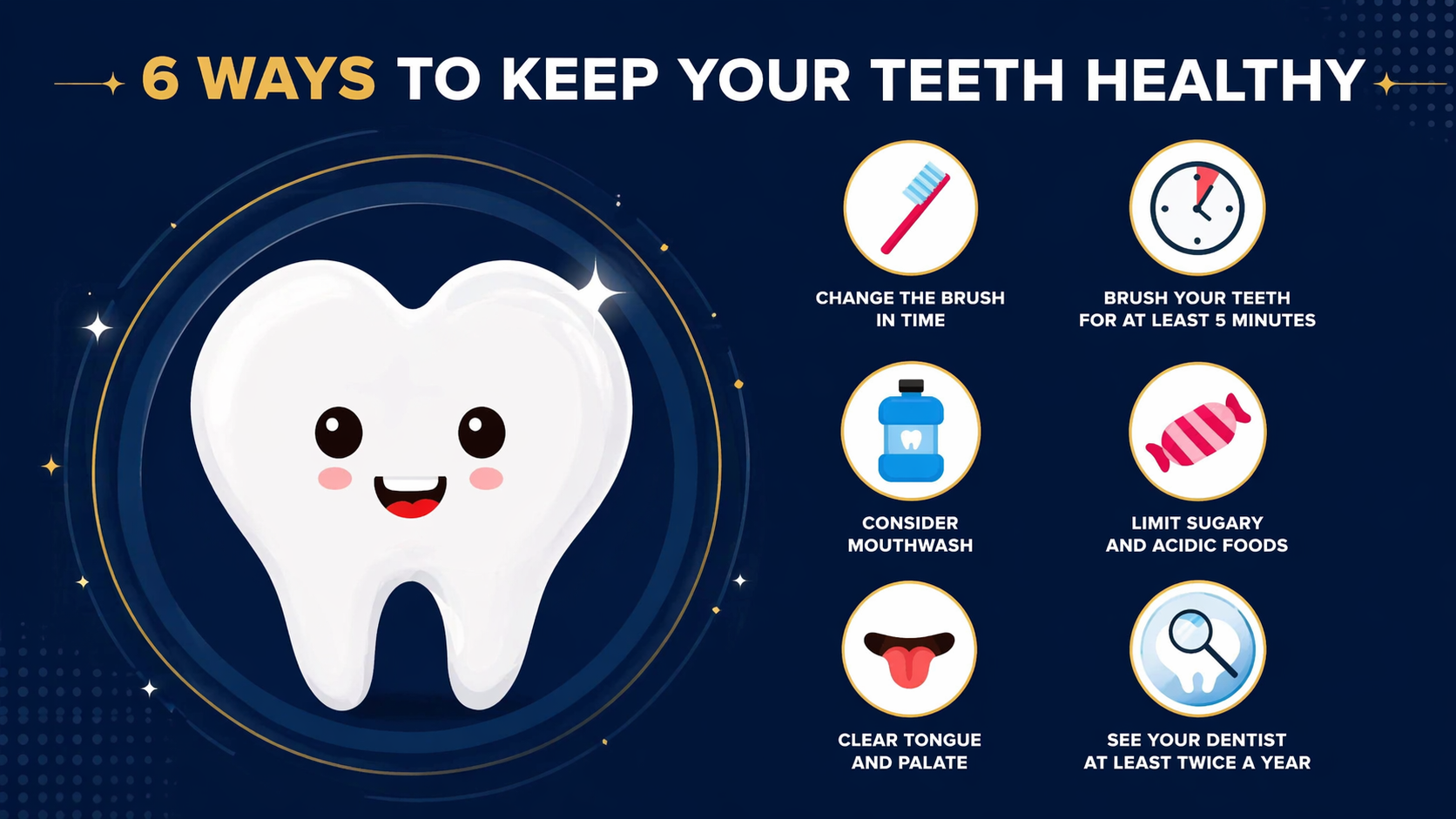
Brushing your teeth twice a day is the foundation of good oral hygiene. Use a soft-bristled toothbrush and fluoride toothpaste. Make sure to brush for at least two minutes, covering all surfaces of your teeth, including the back molars and along the gum line.
2. Floss Daily
Flossing removes plaque and food particles from between your teeth where a toothbrush cannot reach. Skipping flossing can lead to gum disease and cavities in hidden areas.
3. Use an Antibacterial Mouthwash
Mouthwash helps kill bacteria, reduce plaque buildup, and freshen your breath. It is a great addition to your daily oral care routine but should not replace brushing and flossing.
4. Maintain a Tooth-Friendly Diet
Your diet plays a major role in your oral health. Limit sugary snacks and acidic beverages, as they can weaken enamel and cause cavities. Include calcium-rich foods like milk, cheese, and leafy greens to strengthen your teeth.
5. Stay Hydrated
Drinking plenty of water helps wash away food particles and bacteria. It also promotes saliva production, which naturally protects your teeth.
6. Avoid Harmful Habits
Habits like smoking, chewing tobacco, or using your teeth to open packages can damage your teeth and gums. Avoiding these habits is crucial for long-term oral health.
7. Visit Your Dentist Regularly
Regular dental check-ups (every 6 months) are essential for preventive care. Dentists can identify early signs of cavities, gum disease, or other issues before they become serious.
Professional cleanings also remove tartar buildup that cannot be eliminated through brushing alone.
Professional Preventive Treatments
In addition to daily care, dentists offer preventive treatments that provide extra protection for your teeth:
- Dental Cleanings: Remove plaque and tartar buildup
- Fluoride Treatments: Strengthen enamel and prevent decay
- Dental Sealants: Protect molars from cavities
- Oral Exams: Detect early signs of dental problems
Signs You Should Not Ignore
Even with good preventive care, you should never ignore warning signs such as:
- Bleeding gums
- Persistent bad breath
- Tooth sensitivity
- Pain while chewing
- Loose or shifting teeth
If you notice any of these symptoms, visit your dentist immediately to prevent further complications.
Long-Term Benefits of Preventive Dental Care
Investing in preventive dental care today ensures a healthier future. It reduces the need for treatments like root canals, extractions, or implants. Moreover, maintaining good oral hygiene contributes to better overall health and a higher quality of life.
A healthy smile also boosts your confidence in social and professional interactions, making preventive care truly worthwhile.
Conclusion
Preventive dental care is the simplest and most effective way to maintain a healthy smile. By following daily oral hygiene practices, eating a balanced diet, and visiting your dentist regularly, you can avoid most dental problems.
Don’t wait for pain to remind you—start your preventive dental care routine today and enjoy strong, healthy teeth for life.
Written by
Dr. S. Nanda